Why Cats Knock Things Off

Introduction to Feline Curiosity
Cats knocking things over is a common behavior observed by many pet owners. According to the American Animal Hospital Association (2020), curiosity plays a significant role in feline behavior, and knocking things over can be a manifestation of this curiosity. Cats are naturally inquisitive creatures, and their environment often becomes a playground for exploration.
Play Instinct and Hunting Behavior
The instinct to hunt and play is deeply ingrained in cats. As noted by the Journal of Feline Medicine and Surgery (2019), this instinct can lead cats to view objects as potential prey, prompting them to knock them over. This behavior is especially common in younger cats or those with high energy levels.
Attention Seeking and Communication
Cats also use knocking things over as a form of communication and attention-seeking behavior. As explained by International Cat Care (2018), cats may knock over objects to initiate play or to signal their needs to their owners. This behavior can be particularly noticeable in cats that are not receiving enough attention or stimulation.
Environmental Factors and Boredom
Environmental factors such as boredom, lack of stimulation, and territorial marking can contribute to cats knocking things over. Cornell University College of Veterinary Medicine (2022) suggests that providing cats with a stimulating environment, including toys and scratching posts, can help reduce this behavior. Additionally, ensuring cats have enough space and opportunities for exercise can also play a role in minimizing knocking over of objects.
Redirecting the Behavior
To redirect this behavior, pet owners can take several steps:
- Provide Adequate Stimulation: Ensure cats have access to a variety of toys and activities to keep them engaged.
- Create a Cat-Friendly Environment: Secure loose items that could be easily knocked over, and provide scratching posts to redirect scratching behavior.
- Use Positive Reinforcement: Reward cats for calm behavior, using treats or praise. As advised by the ASPCA (2021), consistency and patience are key when trying to change a cat’s behavior.
Conclusion and Further Reading
For a deeper understanding of cat behavior and strategies to address knocking things over, consulting resources like Cat Behavior Associates (2020) can be beneficial. Understanding the underlying causes of this behavior is crucial for developing effective strategies to manage it.
Frequently Asked Questions
Why do cats knock over plants?
Cats may knock over plants due to curiosity or to use the soil as a litter box. According to Mayo Clinic, cats may also be attracted to the texture or smell of the plants.
How can I stop my cat from knocking over my vase?
To prevent your cat from knocking over a vase, place it in a secure location or use a Cat Deterrent Spray. You can also try distracting your cat with toys or treats when they approach the vase.
What are the signs of boredom in cats?
Signs of boredom in cats include excessive sleeping, lack of interest in toys, and increased knocking over of objects. As noted by World Health Organization, mental stimulation is crucial for pets, just like humans.
Can cats learn not to knock things over?
Yes, cats can learn not to knock things over through consistent training and positive reinforcement. International Cat Care provides guidance on how to train your cat effectively.
Why do cats scratch furniture?
Cats scratch furniture for marking territory, exercising, and sharpening their claws. Using a scratching post, like those found on Cat Scratching Post en Amazon(https://www.amazon.com), can help redirect this behavior.
How often should I play with my cat?
You should play with your cat at least twice a day for about 15-20 minutes each session. This can help reduce boredom and knocking over of objects.
My Take
As an app developer and professional chef, I’ve had my fair share of experiences with cats knocking things over. One particular incident that stands out was when my cat, Luna, knocked over an entire bag of flour in my kitchen. It was a mess, but it also taught me the importance of securing loose items and providing adequate stimulation for my pets.
In my experience, cats are highly intelligent and curious creatures that require engagement and interaction. By understanding their behavior and providing the right environment, we can minimize unwanted actions like knocking things over.
For those looking to address this behavior in their cats, I recommend starting with small changes, such as securing loose items and increasing playtime. It’s also essential to be patient and consistent, as changing behavior takes time.
You might also like
- Sterilized Cat Diet Needs
- cat ear positions meaning and mood guide
- Feline Dental Care Guide
- Socializing Cats with Fear Aggression
Practical Summary
- Provide cats with a variety of toys and activities to keep them engaged.
- Secure loose items that could be easily knocked over.
- Use positive reinforcement to encourage calm behavior.
- Create a cat-friendly environment by providing scratching posts and minimizing clutter.
- Consider using a Cat Deterrent Spray to protect valuable items.
- Engage in play with your cat for at least 15-20 minutes, twice a day.
- Be patient and consistent when trying to change your cat’s behavior.
Written by Vladys Z. — App developer and professional chef. Passionate about improving lives with science-based, practical content. Follow me on YouTube.
Sources
- American Animal Hospital Association. (2020). Feline Behavior.
- Journal of Feline Medicine and Surgery. (2019). Play and Hunting Behavior in Cats.
- International Cat Care. (2018). Communication and Attention-Seeking in Cats.
- Cornell University College of Veterinary Medicine. (2022). Environmental Enrichment for Cats.
- ASPCA. (2021). Redirecting Undesirable Behavior in Cats.
- Cat Behavior Associates. (2020). Understanding Feline Behavior.
Related articles
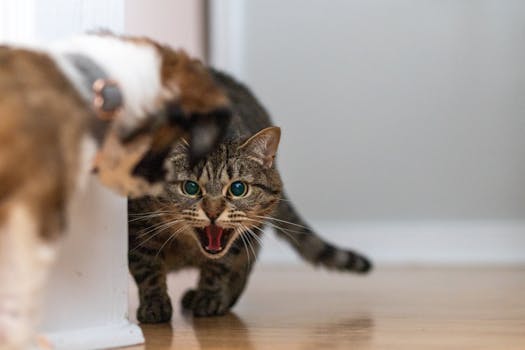
Cat Knocking Things Off
Discover the science behind why cats knock things off tables and shelves
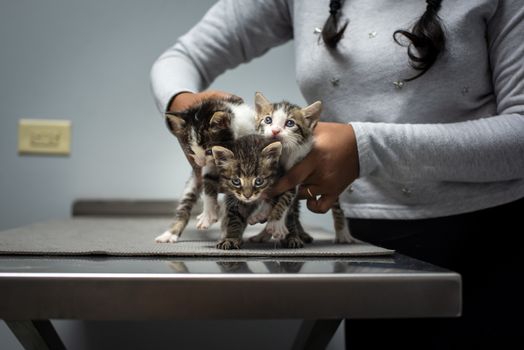
Socializing Cats That Don't Get Along
Learn techniques to help cats coexist peacefully. Expert advice on behavior modification and conflict resolution.
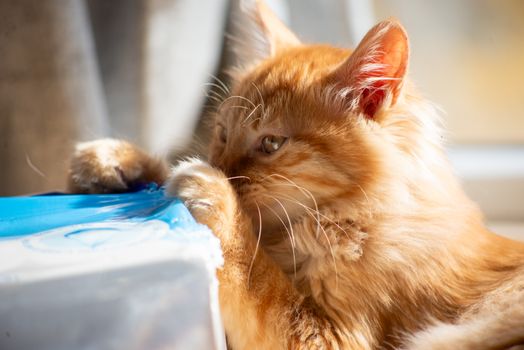
Why Cats Knock Over Vases with Intent
Discover the surprising reason behind your cat's table-topping tantrums