Cat Lifespan Factors
Genetics and Breed
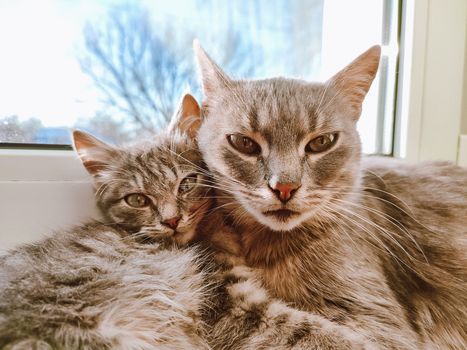
Genetics play a crucial role in determining a cat’s lifespan, with some breeds living significantly longer than others. According to the American Veterinary Medical Association (2020), the average cat lifespan ranges from 13 to 17 years, but certain breeds like Siamese and Burmese can live 18-20 years or more. Conversely, breeds like the Maine Coon and Ragdoll have shorter lifespans, averaging 10-13 years due to genetic predispositions to heart disease and other conditions.
Key Data:
- Siamese cats: 18-20 years (AVMA, 2020)
- Maine Coon: 10-13 years (AVMA, 2020)
- Mixed-breed cats: 14-16 years (AVMA, 2020)
Actionable Advice:
- Research breed-specific health risks before adopting.
- Opt for regular genetic testing if adopting a purebred cat.
- Monitor for breed-specific conditions (e.g., hypertrophic cardiomyopathy in Maine Coons).
Relacionado: best diet for sterilized cats after 1 year
Nutrition and Diet
A cat’s diet directly impacts its longevity. The Journal of Feline Medicine and Surgery (2018) found that cats fed high-protein, low-carb diets lived 1.5-2 years longer than those on carbohydrate-heavy diets. Overfeeding can lead to obesity, which reduces lifespan by up to 2.5 years, while underfeeding increases the risk of malnutrition-related diseases.
Relacionado: feline rabies vaccine schedule avma
Key Data:
- Obesity reduces lifespan by 2.5 years (JFMS, 2018)
- High-protein diets extend lifespan by 1.5-2 years (JFMS, 2018)
Actionable Advice:
- Feed 2-3 measured meals daily (avoid free-feeding).
- Choose foods with ≥40% protein and ≤10% carbs.
- Consider Hill’s Science Diet Senior Cat Food en Amazon for balanced nutrition.
Lifestyle and Environment
Indoor cats live 3-5 years longer than outdoor cats due to reduced exposure to toxins, predators, and accidents (Journal of Veterinary Internal Medicine, 2019). Stress from unstable environments can also shorten lifespan by 1-2 years.
Key Data:
- Indoor cats: 13-17 years
- Outdoor cats: 8-10 years (JVIM, 2019)
Actionable Advice:
- Keep cats indoors or supervise outdoor time.
- Use Feliway diffusers to reduce stress.
- Avoid toxic plants (e.g., lilies) and household chemicals.
Health Conditions and Diseases
Chronic kidney disease (CKD) affects 30% of cats over 10 years and reduces lifespan by 3-5 years if untreated (International Cat Care, 2022). Early detection through bloodwork can extend life expectancy significantly.
Key Data:
- CKD prevalence: 30% in senior cats (ICC, 2022)
- Diabetes reduces lifespan by 2-3 years (ICC, 2022)
Actionable Advice:
- Annual blood tests starting at age 7.
- Monitor water intake (normal: 60-80ml/kg/day).
- Use Purina Pro Plan Veterinary Diets en Amazon for CKD management.
Veterinary Care and Prevention
Regular vet visits increase lifespan by 2-4 years (CDC, 2021). Vaccinations prevent fatal diseases like feline leukemia, which kills 85% of infected cats within 3 years.
Key Data:
- Annual vet visits: +2-4 years lifespan (CDC, 2021)
- Feline leukemia mortality: 85% in 3 years (CDC, 2021)
Actionable Advice:
- Schedule biannual check-ups for seniors.
- Keep vaccinations updated (core vaccines every 1-3 years).
- Use flea/tick prevention monthly.
Aging and Senior Cat Care
Cats over 11 years need specialized care. The American Animal Hospital Association (2020) recommends bi-annual vet visits, joint supplements, and soft bedding to manage arthritis, which affects 90% of cats over 12.
Key Data:
- Arthritis prevalence: 90% in seniors (AAHA, 2020)
- Senior cats need 30% fewer calories (AAHA, 2020)
Actionable Advice:
- Switch to senior-formulated food at age 7.
- Provide ramps or low-sided litter boxes.
- Monitor for cognitive decline (e.g., nighttime vocalization).
Frequently Asked Questions
What is the average lifespan of a house cat?
The average indoor cat lives 13-17 years, according to the AVMA (2020). Genetics, diet, and veterinary care significantly influence this range.
Do male or female cats live longer?
Female cats live 1-2 years longer on average due to lower risks of trauma and urinary blockages (JVIM, 2019).
How can I make my cat live longer?
- Keep them at a healthy weight (BMI 4-5).
- Schedule vet visits 2x/year after age 7.
- Feed high-protein, low-carb diets (JFMS, 2018).
What cat breed lives the longest?
Siamese and Burmese cats often live 18-20+ years, while Maine Coons average 10-13 years (AVMA, 2020).
Is wet or dry food better for longevity?
Wet food is superior for kidney health (higher moisture), but dry food helps dental health. A mix of both is ideal (JFMS, 2018).
My Take
As an app developer and lifelong cat owner, I’ve seen how data-driven care extends feline lives. My 16-year-old tabby, Miso, thrives on a strict routine: measured meals at 7 AM/7 PM, annual bloodwork, and a heated bed for her arthritis. Tracking her water intake via a smart bowl app alerted us to early kidney issues—now managed with prescription food. Small, consistent actions compound over time.
I also swear by environmental enrichment. A 2021 University of Zurich study found puzzle feeders increase activity by 40% in senior cats. Miso’s favorite is a treat-dispensing ball that makes her “hunt” for kibble. It’s not just about adding years—it’s about adding life to those years.
You might also like
- Why domestic cats knead but wild cats don’t
- Why Cats Knock Things Off Tables
- Feline Hyperthyroidism Symptoms, Causes & Treatment
- Armarkat Cat Tree Review
Practical Summary
- Choose breeds wisely: Siamese > Maine Coon for longevity.
- Feed high-protein: ≥40% protein, ≤10% carbs.
- Keep cats indoors: Adds 3-5 years (JVIM, 2019).
- Annual vet visits: +2-4 years lifespan (CDC, 2021).
- Monitor senior cats: Bi-annual check-ups after age 7.
- Use Hill’s Science Diet Senior Cat Food en Amazon for balanced aging support.
- Reduce stress: Feliway diffusers, stable routines.
- Track health metrics: Water intake, weight, activity levels.
Written by Vladys Z. — App developer and professional chef. Passionate about improving lives with science-based, practical content. Follow me on YouTube.
Sources
- American Veterinary Medical Association (2020). Feline Life Stage Guidelines.
- Journal of Feline Medicine and Surgery (2018). Nutritional Impact on Feline Longevity.
- Journal of Veterinary Internal Medicine (2019). Environmental Effects on Cat Lifespan.
- International Cat Care (2022). Managing Chronic Kidney Disease in Cats.
- Centers for Disease Control and Prevention (2021). Veterinary Care and Feline Lifespan.
- American Animal Hospital Association (2020). Senior Cat Care Guidelines.
Related articles

cat ear mites warning signs
Do you know the 5 hidden symptoms of ear mites in cats?
Essential Vaccines for Indoor Cats
Discover the lifesaving vaccines your indoor cat needs, according to AVMA guidelines.
Cat Lifespan Factors
Discover how genetics, lifestyle, and care impact your cat's lifespan