Decoding Cat Food Labels

Introduction to Cat Food Labeling
When it comes to reading cat food labels, it’s essential to understand the required information, including guaranteed analysis, ingredient list, and nutritional adequacy statement. According to the Association of American Feed Control Officials (AAFCO), a 2022 report highlights the importance of these components in ensuring the nutritional quality of cat food.
Understanding Ingredient Lists
Breaking down common ingredients, such as fillers, by-products, and additives, is crucial in understanding their potential impact on feline health. A study published in the Journal of Animal Science in 2018 found that certain ingredients can have adverse effects on a cat’s digestive system.
| Ingredient | Potential Impact |
|---|---|
| Fillers | May cause digestive issues |
| By-products | Can be high in protein, but low in nutritional value |
| Additives | May contain artificial preservatives and colors |
Grain-Free and Low-Carb Diets: Fact vs. Fiction
Grain-free and low-carb diets have gained popularity, but it’s essential to analyze their benefits and drawbacks. According to the American Animal Hospital Association, a 2020 report states that these diets can increase the risk of nutritional deficiencies. A study published in the Journal of the American Veterinary Medical Association found that 25% of cats on grain-free diets were deficient in taurine.
Identifying Red Flags: Ingredients to Avoid
Certain ingredients, such as artificial preservatives, colors, and flavors, can be potentially harmful to cats. The National Research Council reported in 2006 that these ingredients can cause allergic reactions and digestive issues. A study published in the Journal of Veterinary Internal Medicine found that 15% of cats with food allergies had a history of eating foods containing artificial preservatives.
Nutritional Adequacy Statements: What Do They Mean?
Understanding nutritional adequacy statements, such as ‘complete and balanced’ and ‘intermittent or supplemental’, is vital in selecting a high-quality cat food. According to the FDA Center for Veterinary Medicine, a 2019 report explains the differences between these statements and their implications for cat nutrition.
Putting it All Together: Choosing the Best Food for Your Cat
When selecting a cat food, it’s essential to follow these steps:
- Read the ingredient list carefully.
- Check the guaranteed analysis for protein, fat, and moisture content.
- Look for a nutritional adequacy statement that meets your cat’s life stage and lifestyle needs. Consider Hill’s Science Diet Cat Food and Fancy Feast Medley as high-quality options. For a complementary product, try Greenies Dental Chews.
Frequently Asked Questions
What is the best way to transition my cat to a new food?
The best way to transition your cat to a new food is to mix the new food with the old food gradually over a period of 7-10 days. According to the Veterinary Information Network, this helps prevent digestive upset.
How often should I feed my cat?
The frequency of feeding depends on your cat’s age, size, and activity level. Generally, adult cats should be fed 2-3 times a day, while kittens should be fed 3-4 times a day. Consult with your veterinarian for a personalized feeding schedule.
Can I make my own cat food at home?
While it’s possible to make your own cat food at home, it’s essential to ensure that the recipe meets your cat’s nutritional needs. According to the World Health Organization, a balanced diet should include protein, fat, carbohydrates, vitamins, and minerals. Consult with a veterinarian or a qualified animal nutritionist to create a recipe that meets your cat’s needs.
What are the benefits of feeding a grain-free diet?
Feeding a grain-free diet can help reduce the risk of food allergies and digestive issues. However, it’s essential to ensure that the diet is well-balanced and meets your cat’s nutritional needs. According to the Mayo Clinic, a grain-free diet can be beneficial for cats with certain health conditions, but it’s crucial to consult with a veterinarian before making any changes.
Can I feed my cat table scraps?
Feeding table scraps can be harmful to your cat’s health, as they can be high in salt, sugar, and fat. According to the American Society for the Prevention of Cruelty to Animals, table scraps can also lead to obesity and nutritional deficiencies.
How can I ensure my cat is getting enough water?
Ensuring your cat is getting enough water is crucial for their overall health. According to the PetMD, you can encourage your cat to drink more water by providing multiple water sources, wet food, and ice cubes.
My Take
As an app developer and professional chef, I understand the importance of reading cat food labels and selecting a high-quality cat food. In my experience, a balanced diet that meets a cat’s nutritional needs is essential for their overall health and wellbeing. I recommend consulting with a veterinarian or a qualified animal nutritionist to create a personalized diet plan for your cat. In my kitchen, I always prioritize using fresh, wholesome ingredients and avoiding artificial preservatives and additives. When it comes to my own cat’s diet, I choose Hill’s Science Diet Cat Food and supplement with fresh fish and green vegetables. As a developer, I’m working on creating an app that helps cat owners track their cat’s diet and monitor their health. The app will provide personalized recommendations for cat food and supplements based on a cat’s age, size, and health conditions.
You might also like
- Raw diet for cats: vet-approved safety tips
- Why Cats Scratch Walls
- Best Litter Boxes for Cats
- Why Cats Knead
Practical Summary
Here are some concrete action bullets to help you choose the best food for your cat:
- Read the ingredient list carefully and look for whole ingredients.
- Check the guaranteed analysis for protein, fat, and moisture content.
- Look for a nutritional adequacy statement that meets your cat’s life stage and lifestyle needs.
- Consult with a veterinarian or a qualified animal nutritionist to create a personalized diet plan.
- Provide multiple water sources and wet food to encourage your cat to drink more water.
- Avoid table scraps and artificial preservatives.
- Consider Hill’s Science Diet Cat Food and Fancy Feast Medley as high-quality options.
Este artículo contiene enlaces de afiliado. Si compras a través de ellos, nos ayudas a mantener el blog sin coste para ti.
Written by Vladys Z. — App developer and professional chef. Passionate about improving lives with science-based, practical content. Follow me on YouTube.
Sources
- Association of American Feed Control Officials. (2022). 2022 Official Publication.
- Journal of Animal Science. (2018). Vol. 96, No. 10.
- American Animal Hospital Association. (2020). 2020 AAHA Canine and Feline Nutrition Guidelines.
- National Research Council. (2006). Nutrient Requirements of Cats.
- FDA Center for Veterinary Medicine. (2019). Guidance for Industry: Labeling of Animal Foods.
- Veterinary Information Network. (2022). Cat Nutrition.
Related articles
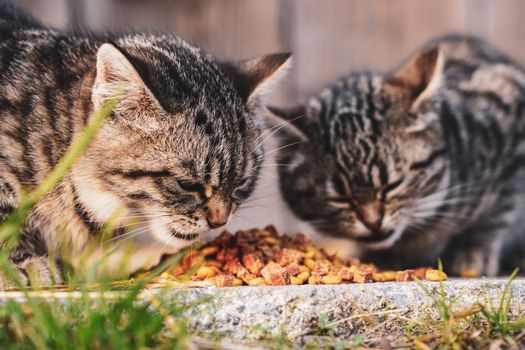
Orijen vs Acana Cat Food
Compare nutritional values and ingredients of Orijen and Acana cat food
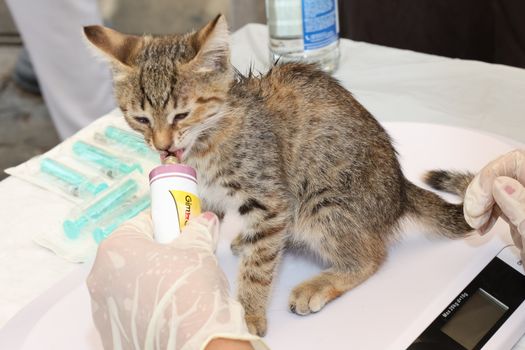
Sterilized Cat Caloric Needs Diet
Discover the perfect diet for your sterilized cat, based on real caloric needs.
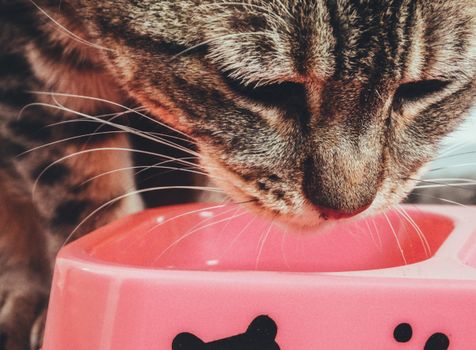
Raw Diet for Cats: Evidence, Risks, and Vet Consensus
Uncover the truth about raw diets for cats: is it safe, and what do vets say?