Core Vaccines for Kittens
Introduction to Kitten Vaccinations
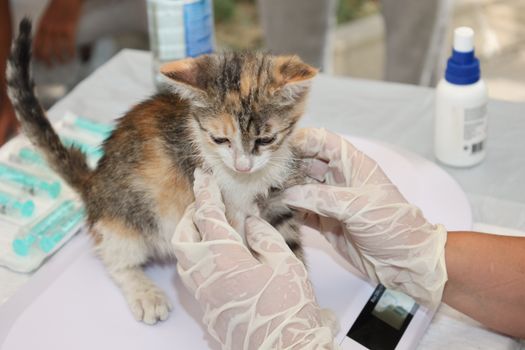
Kitten vaccinations are a crucial aspect of maintaining the health and wellbeing of your feline companion. According to the American Veterinary Medical Association (AVMA), vaccinations are essential in preventing diseases and protecting the health of kittens (American Veterinary Medical Association, 2022). The AVMA provides guidelines for veterinarians to follow when administering vaccinations to kittens, ensuring that they receive the necessary protection against diseases.
Core Vaccines Recommended by AVMA
The AVMA recommends the following core vaccines for kittens:
- Rabies: a fatal viral disease that affects the nervous system of cats and can be transmitted to humans (Centers for Disease Control and Prevention, 2021).
- Feline Viral Rhinotracheitis (FVR): a highly contagious viral disease that affects the upper respiratory tract of cats (American Animal Hospital Association, 2020).
- Feline Calicivirus (FCV): a viral disease that affects the upper respiratory tract of cats and can cause a range of symptoms from mild to severe (American Animal Hospital Association, 2020).
- Panleukopenia (FPV): a highly contagious viral disease that affects the bone marrow of cats and can cause a range of symptoms from mild to severe (American Animal Hospital Association, 2020).
Relacionado: Tama the Stationmaster Cat: Japan’s Feline Legend
Non-Core Vaccines for Kittens
Non-core vaccines, such as Feline Leukemia Virus (FeLV) and Feline Immunodeficiency Virus (FIV), are recommended for kittens that are at high risk of exposure to these diseases. According to the American Association of Feline Practitioners, FeLV and FIV vaccines are recommended for kittens that are exposed to infected cats or have a history of exposure (American Association of Feline Practitioners, 2019).
Relacionado: Why Cats Scratch Walls
Kitten Vaccination Schedule
The typical vaccination schedule for kittens is as follows:
- Initial vaccinations: kittens should receive their first vaccinations at 6-8 weeks of age, with booster shots given every 3-4 weeks until they are 16 weeks old (Centers for Disease Control and Prevention, 2021).
- Booster shots: kittens should receive booster shots every 1-2 years to maintain their immunity against diseases (Centers for Disease Control and Prevention, 2021).
Potential Vaccine Side Effects in Kittens
Vaccines can cause a range of side effects in kittens, from mild to severe. According to the Veterinary Information Network, common side effects of vaccines in kittens include:
- Mild side effects: such as soreness at the injection site, fever, and lethargy (Veterinary Information Network, 2022).
- Severe side effects: such as anaphylaxis, which is a life-threatening allergic reaction (Veterinary Information Network, 2022).
Cost and Insurance Considerations
The cost of kitten vaccinations can vary depending on the location and the veterinarian. According to the North American Pet Health Insurance Association, the average cost of a kitten vaccination series is around $100-$200 (North American Pet Health Insurance Association, 2022).
Frequently Asked Questions
How often should I vaccinate my kitten?
The typical vaccination schedule for kittens is as follows: initial vaccinations at 6-8 weeks of age, with booster shots given every 3-4 weeks until they are 16 weeks old.
What are the core vaccines recommended for kittens?
The AVMA recommends the following core vaccines for kittens: rabies, feline viral rhinotracheitis, feline calicivirus, and panleukopenia.
Can I vaccinate my kitten against non-core diseases?
Non-core vaccines, such as FeLV and FIV, are recommended for kittens that are at high risk of exposure to these diseases.
What are the potential side effects of vaccines in kittens?
Vaccines can cause a range of side effects in kittens, from mild to severe, including soreness at the injection site, fever, and lethargy.
How much does it cost to vaccinate a kitten?
The cost of kitten vaccinations can vary depending on the location and the veterinarian, but the average cost of a kitten vaccination series is around $100-$200.
What is the best way to protect my kitten against diseases?
The best way to protect your kitten against diseases is to follow the recommended vaccination schedule and to keep them up-to-date on their vaccinations.
Can I get pet insurance to cover the cost of vaccinations?
Yes, many pet insurance plans cover the cost of vaccinations, including routine vaccinations and booster shots.
My Take
As an app developer and professional chef, I understand the importance of maintaining the health and wellbeing of our feline companions. Vaccinations are a crucial aspect of this, and it’s essential to follow the recommended vaccination schedule to ensure that our kittens are protected against diseases. In my experience, the best way to protect your kitten against diseases is to follow the recommended vaccination schedule and to keep them up-to-date on their vaccinations. I also recommend considering pet insurance to cover the cost of vaccinations, including routine vaccinations and booster shots.
You might also like
- why cats blink slowly at you: science of cat eye communication
- Félicette the Space Cat: First Feline in Space
- Cat Whisker Sensitivity
- Recognizing Pain in Senior Cats: Subtle Signals and Vets’ Advice
Practical Summary
Here are the key takeaways from this article:
- Follow the recommended vaccination schedule: kittens should receive their first vaccinations at 6-8 weeks of age, with booster shots given every 3-4 weeks until they are 16 weeks old.
- Core vaccines are essential: the AVMA recommends the following core vaccines for kittens: rabies, feline viral rhinotracheitis, feline calicivirus, and panleukopenia.
- Non-core vaccines are recommended for high-risk kittens: non-core vaccines, such as FeLV and FIV, are recommended for kittens that are at high risk of exposure to these diseases.
- Vaccines can cause side effects: vaccines can cause a range of side effects in kittens, from mild to severe, including soreness at the injection site, fever, and lethargy.
- Pet insurance can cover the cost of vaccinations: many pet insurance plans cover the cost of vaccinations, including routine vaccinations and booster shots.
- Regular check-ups are essential: regular check-ups with your veterinarian can help ensure that your kitten is up-to-date on their vaccinations and that any potential health issues are caught early.
Recommended Products
Sources
- American Veterinary Medical Association (2022). Vaccination Guidelines.
- American Animal Hospital Association (2020). Feline Vaccination Guidelines.
- American Association of Feline Practitioners (2019). Feline Vaccination Guidelines.
- Centers for Disease Control and Prevention (2021). Feline Vaccination Guidelines.
- Veterinary Information Network (2022). Vaccine Side Effects in Kittens.
- North American Pet Health Insurance Association (2022). Pet Insurance for Vaccinations.
Written by Vladys Z. — App developer and professional chef. Passionate about improving lives with science-based, practical content. Follow me on YouTube.
Sources
- American Veterinary Medical Association (2022). Vaccination Guidelines.
- American Animal Hospital Association (2020). Feline Vaccination Guidelines.
- American Association of Feline Practitioners (2019). Feline Vaccination Guidelines.
- Centers for Disease Control and Prevention (2021). Feline Vaccination Guidelines.
- Veterinary Information Network (2022). Vaccine Side Effects in Kittens.
- North American Pet Health Insurance Association (2022). Pet Insurance for Vaccinations.
Related articles

cat ear mites warning signs
Do you know the 5 hidden symptoms of ear mites in cats?
Essential Vaccines for Indoor Cats
Discover the lifesaving vaccines your indoor cat needs, according to AVMA guidelines.
Cat Lifespan Factors
Discover how genetics, lifestyle, and care impact your cat's lifespan