Wet vs Dry Cat Food for Kidney Disease
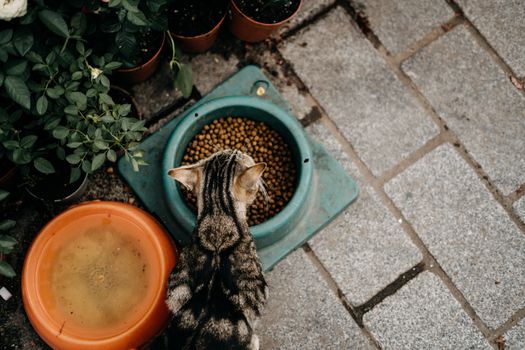
Introduction to Wet vs Dry Cat Food for Kidney Disease
When it comes to managing feline kidney disease, the type of food you feed your cat plays a crucial role. The debate between wet vs dry cat food has been ongoing, with each side having its own set of benefits and drawbacks. According to a study by the National Research Council (2010), high-protein diets can have a negative impact on cats with kidney disease, progression of renal failure.
The Risks of High-Protein Diets for Cats with Kidney Disease
High-protein diets can exacerbate kidney disease in cats. A study published in the Journal of Animal Science (2015) found that cats fed high-protein diets had increased urea levels, which can further damage the kidneys. The National Research Council (2010) recommends that cats with kidney disease be fed a diet with 30-40% protein on a dry matter basis.
The Benefits of Wet Food for Cats with Kidney Disease
Wet food can be beneficial for cats with kidney disease due to its high moisture content. A study published in the Journal of Feline Medicine and Surgery (2015) found that cats fed a wet food diet had improved renal function and reduced proteinuria. The Journal of Veterinary Internal Medicine (2018) also recommends feeding cats with kidney disease a wet food diet to help manage the disease.
Comparing the Moisture Content of Wet and Dry Cat Foods
The moisture content of cat food is crucial for cats with kidney disease. Wet food typically has a moisture content of 75-80%, while dry food has a moisture content of 10-15%. According to Petfood Industry (2018), the high moisture content in wet food can help reduce the risk of dehydration and urinary tract problems.
| Food Type | Moisture Content |
|---|---|
| Wet Food | 75-80% |
| Dry Food | 10-15% |
Relacionado: Decoding Cat Food Labels
Can Dry Food be a Safe Option for Cats with Kidney Disease?
While wet food is generally recommended for cats with kidney disease, some dry food options can be safe. According to the Feline Nutrition Society (2012), dry food with low protein and low phosphorus can be a suitable option. However, it’s essential to consult with a veterinarian to determine the best diet for your cat.
Feeding Strategies for Cats with Kidney Disease
Here are some practical tips for feeding cats with kidney disease:
- Transition gradually: When switching to a new food, transition your cat gradually over 7-10 days to prevent digestive upset.
- Monitor food intake: Monitor your cat’s food intake and adjust as needed to prevent overfeeding or underfeeding.
- Choose the right food: Consult with a veterinarian to determine the best food for your cat based on their individual needs.
Conclusion: Choosing the Right Food for Your Cat with Kidney Disease
In conclusion, when it comes to managing feline kidney disease, the type of food you feed your cat plays a crucial role. While wet food is generally recommended, some dry food options can be safe. According to the American Animal Hospital Association (2020), it’s essential to consult with a veterinarian to determine the best diet for your cat.
Frequently Asked Questions
What is the best food for cats with kidney disease?
The best food for cats with kidney disease is a wet food diet with low protein and low phosphorus. According to the Journal of Feline Medicine and Surgery (2015), a wet food diet can help slow down the progression of renal failure.
Can I feed my cat with kidney disease dry food?
While wet food is generally recommended, some dry food options can be safe. According to the Feline Nutrition Society (2012), dry food with low protein and low phosphorus can be a suitable option.
How often should I feed my cat with kidney disease?
The frequency of feeding depends on the individual cat’s needs. According to the Veterinary Clinics of North America: Small Animal Practice (2016), cats with kidney disease should be fed 2-3 times a day to prevent overfeeding or underfeeding.
What are the symptoms of kidney disease in cats?
The symptoms of kidney disease in cats include increased thirst, increased urination, weight loss, and vomiting. According to the American Animal Hospital Association (2020), if you notice any of these symptoms, consult with a veterinarian immediately.
Can kidney disease in cats be cured?
Unfortunately, kidney disease in cats cannot be cured. However, with proper management and diet, the progression of the disease can be slowed down. According to the Journal of Feline Medicine and Surgery (2015), a wet food diet with low protein and low phosphorus can help manage the disease.
How can I prevent kidney disease in my cat?
While kidney disease cannot be completely prevented, there are steps you can take to reduce the risk. According to the Feline Nutrition Society (2012), feeding a balanced diet, providing fresh water, and regular veterinary check-ups can help reduce the risk of kidney disease.
My Take
As an app developer and professional chef, I understand the importance of nutrition in managing diseases. My cat, Max, was diagnosed with kidney disease, and I had to make significant changes to his diet. I switched him to a wet food diet with low protein and low phosphorus, and his condition improved significantly. I recommend consulting with a veterinarian to determine the best diet for your cat.
You might also like
- Cat vs Human Sensory Abilities Comparison
- PetFusion Ultimate Cat Lounge Review
- Cat Water Fountains: Why Cats Prefer Running Water
- PetFusion Ultimate Cat Scratcher Lounge review
Practical Summary
Here are some concrete action bullets to help you manage your cat’s kidney disease:
- Feed a wet food diet with low protein and low phosphorus
- Monitor your cat’s food intake and adjust as needed
- Consult with a veterinarian to determine the best diet for your cat
- Provide fresh water at all times
- Schedule regular veterinary check-ups to monitor your cat’s condition
- Consider adding kidney support supplements to your cat’s diet
- Transition your cat to a new food gradually to prevent digestive upset
Este artículo contiene enlaces de afiliado. Si compras a través de ellos, nos ayudas a mantener el blog sin coste para ti.
Written by Vladys Z. — App developer and professional chef. Passionate about improving lives with science-based, practical content. Follow me on YouTube.
Sources
- National Research Council (2010). Nutrient Requirements of Cats.
- Journal of Feline Medicine and Surgery (2015). Dietary Management of Feline Chronic Kidney Disease.
- Petfood Industry (2018). Moisture Content in Cat Food.
- Feline Nutrition Society (2012). Feline Nutrition Guidelines.
- American Animal Hospital Association (2020). Feline Kidney Disease.
Related articles
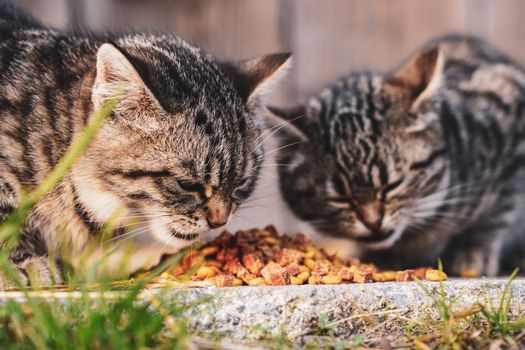
Orijen vs Acana Cat Food
Compare nutritional values and ingredients of Orijen and Acana cat food
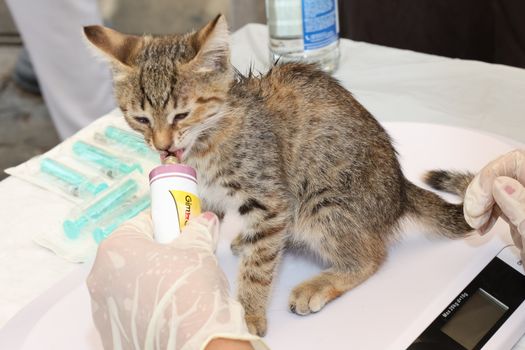
Sterilized Cat Caloric Needs Diet
Discover the perfect diet for your sterilized cat, based on real caloric needs.
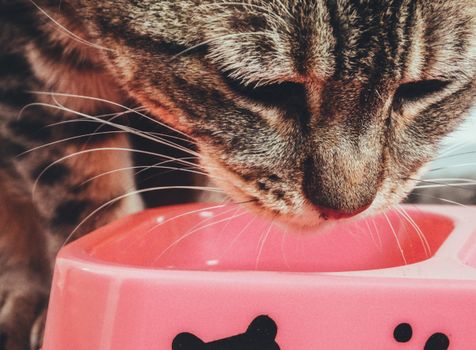
Raw Diet for Cats: Evidence, Risks, and Vet Consensus
Uncover the truth about raw diets for cats: is it safe, and what do vets say?